
Pre- and Post-Workout Nutrition Guide
Training hard is only half the equation. To build strength, endurance, and achieve lasting results, nutrition must be aligned with your workouts. What you eat before and after training directly affects performance, recovery, and progress. This comprehensive guide explains the science behind workout nutrition, when to eat, what to eat, and how to adjust your meals depending on your fitness goals.
Pre-Workout Nutrition
1. Timing Your Meals
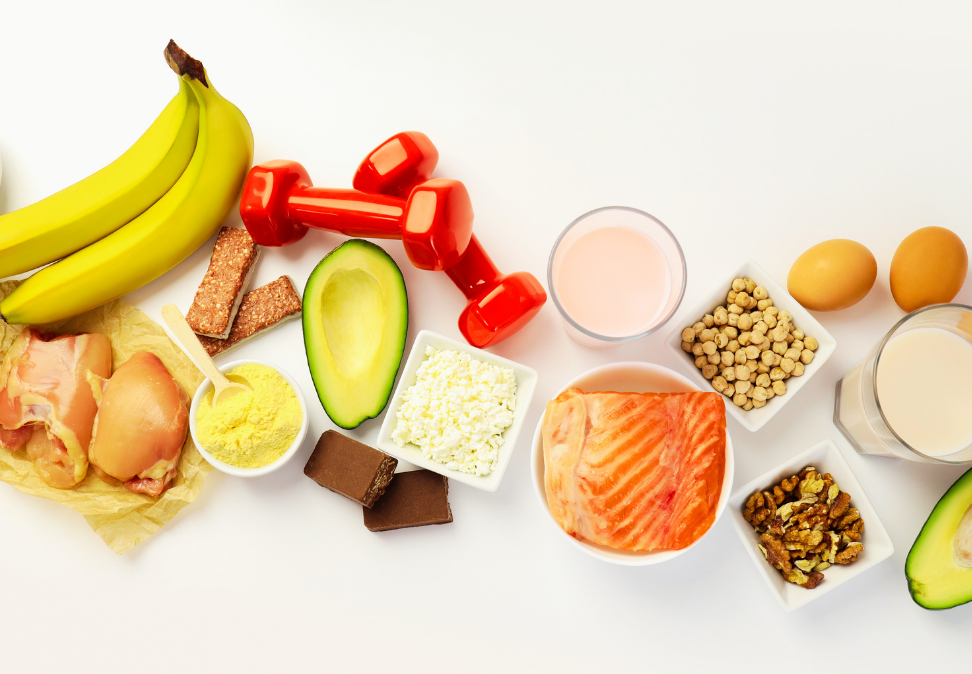
The ideal pre-workout meal should be eaten 2–3 hours before training. If time is short, a smaller snack 30–45 minutes before your session can still boost performance.
Recommended timing:
- 2 hours before: Oatmeal with banana and yogurt
- 1 hour before: Whole-grain toast with boiled eggs
- 30 minutes before: A banana and a handful of almonds
These meals provide the right mix of carbohydrates for energy and protein for muscle protection.
2. Macronutrient Balance
A balanced pre-workout meal should include:
- Carbohydrates: Primary source of energy (oats, rice, fruit)
- Protein: Prevents muscle breakdown (eggs, chicken, yogurt)
- Fat: Keep it light. Heavy fats delay digestion
Hydration is equally important. Drink 300–500 ml of water before your workout to maintain performance levels.
3. Foods to Avoid
- Fried or high-fat foods
- Sugary drinks
- High-fiber meals before intense workouts
- Excessive caffeine close to bedtime sessions
The goal is to energize the body, not weigh it down.
Post-Workout Nutrition
1. The Anabolic Window
The first 30–60 minutes post-exercise is crucial. During this time, your body is primed to absorb nutrients for recovery. A combination of protein and carbohydrates accelerates muscle repair and glycogen replenishment.
Examples:
- Chicken sandwich on whole-grain bread
- Protein shake with banana and milk
- Greek yogurt with oats and berries
2. Protein Intake
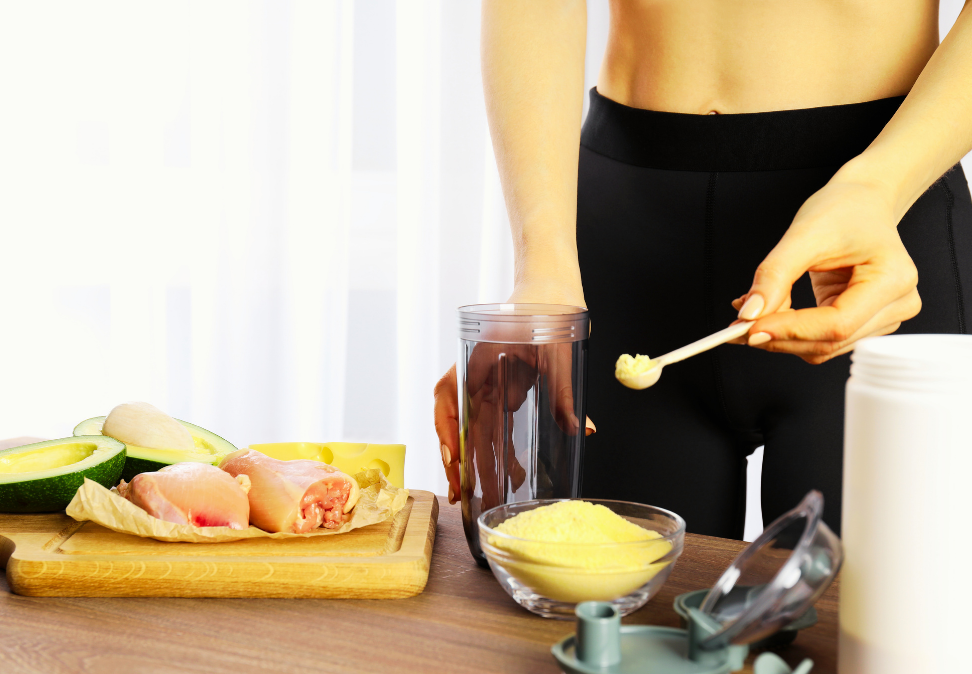
Protein is the building block of recovery. Aim for 1.6–2.2g per kg of body weight per day, with at least 20–30g post-workout.
Top protein sources include:
- Eggs
- Chicken, turkey, or fish
- Greek yogurt
- Lentils, beans, quinoa (for plant-based diets)
3. Replenishing Glycogen Stores
Muscles burn glycogen during exercise. Refueling with carbohydrates helps restore energy and prevent fatigue.
Recommended options:
- Brown rice, sweet potatoes, whole grains
- Fruits like bananas, apples, or berries
Balanced carb intake post-training supports both recovery and long-term muscle growth.
4. Hydration and Electrolytes
Hydration continues after the workout. Water loss through sweat depletes electrolytes such as sodium and potassium.
- Drink water throughout the recovery phase.
- Coconut water or electrolyte beverages are ideal after intense sessions.
Nutrition Strategies by Goal
For Muscle Gain
- Prioritize protein and complex carbs
- Maintain a slight calorie surplus
- Eat within 60 minutes post-training
For Fat Loss
- Choose high-protein, moderate-carb meals
- Keep fats minimal after training
- Maintain a steady calorie deficit
Supplements: Helpful, Not Essential
Supplements can enhance performance but should never replace real food.
Common evidence-based options:
- Whey protein for recovery
- Creatine for strength and muscle volume
- BCAAs for muscle preservation
- Omega-3 for inflammation control
Use supplements strategically based on your goals and frequency of training.
Conclusion: Smart Nutrition is the Foundation of Effective Training
To conclude, smart nutrition is the foundation of effective training. When you fuel your body properly, you train harder, recover faster, and progress consistently.
Remember: results don't happen in the gym alone. They happen in the kitchen and on the plate.
Key Takeaways:
- Timing matters - Eating at the right times before and after workouts enhances performance
- Balanced nutrition - Maintain the right balance of carbohydrates, protein, and fats
- Hydration - Don't neglect water intake
- Personalization - Customize your nutrition plan based on your goals
- Supplements - Natural foods should be prioritized, supplements are supportive
In short, what and when you eat is just as important as your training. With the right nutrition strategy, you can reach your goals faster and healthier.
Ready to get professional nutrition guidance for your fitness journey? Ritim's expert trainers and nutrition consultants will create personalized meal plans to help you achieve your goals.